
CNC fiber lasers have revolutionized the metal fabrication industry by providing unmatched speed, precision, and efficiency. From thin-gauge stainless steel to heavy plate processing, fiber laser technology allows manufacturers to produce complex parts faster and more accurately than ever before.
However, with the power and performance of modern fiber laser systems comes the responsibility to operate them safely.
Industrial fiber lasers are powerful Class 4 laser systems capable of producing hazardous levels of optical energy. Proper machine design, operator training, safety procedures, and compliance with industry standards are essential to protecting personnel and maintaining a safe manufacturing environment.
Understanding Fiber Laser Hazards, Laser Radiation and Eye Safety
The primary hazard associated with industrial fiber lasers is exposure to laser radiation.
Most CNC fiber lasers operate at approximately 1,070 nanometers, which is within the near-infrared wavelength range. Because this wavelength is invisible to the human eye, operators cannot rely on their natural vision or blink reflex to protect them from exposure.
Direct or reflected exposure to a high-powered fiber laser beam can cause serious and permanent eye injury.
Potential hazards include:
- Retinal damage
- Permanent vision impairment
- Severe eye injury from direct beam exposure
- Skin burns from high-powered laser radiation
Because the eye can focus laser energy onto a very small area of the retina, even brief exposure can create a significant hazard.
Laser Classification and Class 4 Systems
Industrial fiber lasers are generally classified as Class 4 laser systems, which represents the highest hazard category under laser safety standards.
Class 4 lasers have the potential to cause:
- Eye injuries
- Skin burns
- Fire hazards
- Hazardous reflections from highly reflective materials
However, modern CNC fiber laser systems are engineered with multiple safety features designed to minimize operator exposure during normal operation.
Common safety features include:
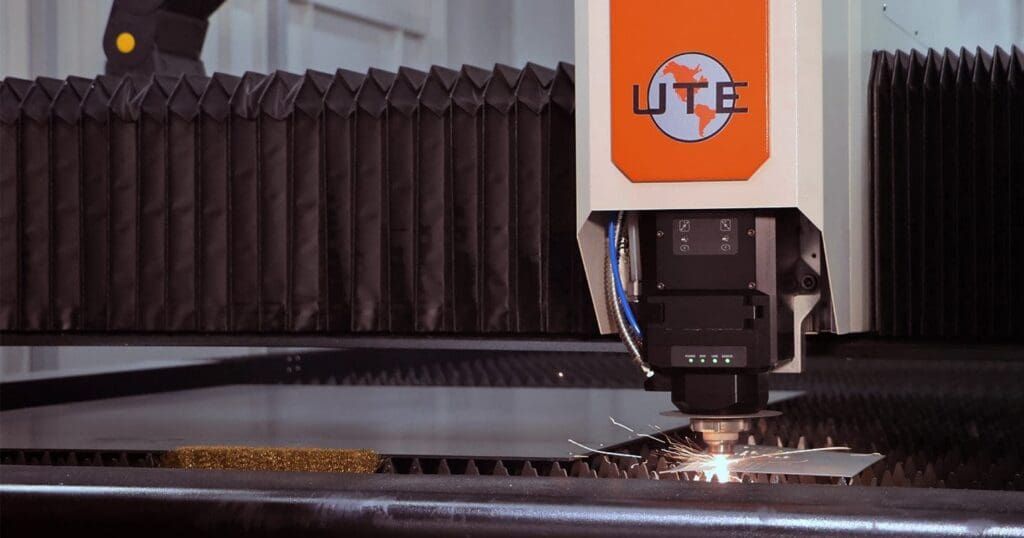
- Fully enclosed cutting areas
- Safety interlocks
- Protective viewing windows
- Emergency stop systems
- Warning indicators
These engineering controls are designed to prevent exposure before additional safety measures are needed.
OSHA and Laser Safety Requirements
The Occupational Safety and Health Administration (OSHA) provides workplace safety guidance related to laser hazards and recognizes industry standards as important resources for developing safe laser operations.
Companies operating CNC fiber laser equipment should establish procedures that address:
- Laser hazard identification
- Employee training
- Safe operating practices
- Equipment inspections
- Maintenance procedures
- Emergency response
A comprehensive safety program ensures employees understand both the capabilities of the machine and the potential hazards associated with improper operation.
ANSI Z136.1: The Standard for Safe Laser Use
The ANSI Z136.1 Safe Use of Lasers standard is one of the most widely recognized guidelines for developing laser safety programs.
This standard provides recommendations for identifying laser hazards and implementing appropriate safety controls.
A complete laser safety program focuses on four primary areas:
1. Engineering Controls
Engineering controls are safety features built into the machine itself to prevent exposure.
Examples include:
- Protective machine enclosures
- Door interlocks
- Beam containment systems
- Safety sensors
- Warning indicators
The enclosure of a CNC fiber laser is a critical safety component. Operators should never operate a machine with damaged, removed, or bypassed safety systems.
2. Administrative Controls
Administrative controls involve procedures and training that help ensure safe machine operation.
Examples include:
- Operator training programs
- Written safety procedures
- Restricted access policies
- Preventive maintenance schedules
- Safety inspections
Proper training ensures operators understand:
- How the machine functions
- How safety systems operate
- What to do during an emergency
- When equipment should be removed from service
3. Personal Protective Equipment (PPE)
Personal protective equipment is an additional layer of protection when required.
Depending on the application, PPE may include:
- Laser-rated safety eyewear
- Protective gloves
- Protective clothing
- Proper footwear
It is important to understand that standard safety glasses are not designed to protect against industrial fiber laser radiation.
Laser safety eyewear must be specifically selected based on factors such as:
- Laser wavelength
- Laser power
- Operating conditions
4. Laser Safety Officer (LSO)
ANSI Z136.1 recommends organizations establish a Laser Safety Officer (LSO) when appropriate for their laser operations.
The LSO is responsible for overseeing the laser safety program and helping ensure proper procedures are followed.
Responsibilities may include:
- Evaluating laser hazards
- Establishing safety procedures
- Coordinating employee training
- Reviewing safety practices
- Addressing potential hazards
The LSO plays an important role in creating a culture where laser safety is treated as a priority.
The Importance of Machine Enclosures and Interlocks
Modern CNC fiber laser systems are designed with operator safety as a priority.
Machine enclosures help:
- Contain laser radiation
- Prevent accidental access during cutting
- Protect operators and nearby personnel
Safety interlocks are designed to stop operation if access doors or panels are opened during machine operation.
Operators should never:
- Disable interlocks
- Bypass safety systems
- Modify protective equipment
- Operate equipment with damaged safety features
These systems are engineered to protect everyone working around the machine.
Additional Hazards Associated With Laser Cutting
While laser radiation is the primary concern, CNC fiber laser operations involve additional manufacturing hazards.
Fire Hazards
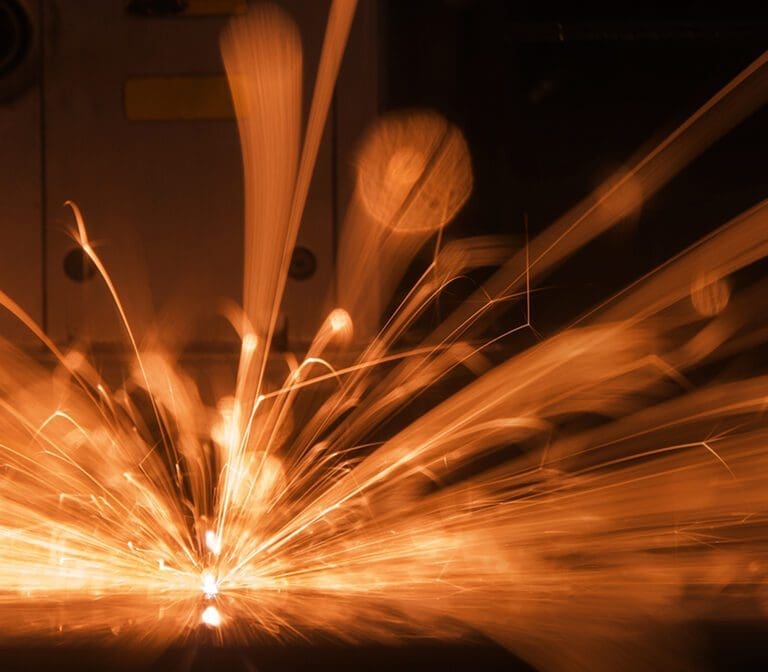
Laser cutting produces:
- Sparks
- Heat
- Molten material
- Hot finished parts
Proper housekeeping, fire prevention procedures, and operator awareness are essential.
Fumes and Air Quality
Laser cutting different materials can create fumes and airborne particulates.
Proper ventilation and filtration systems help maintain a safer working environment.
Operators should always follow recommended practices for:
- Material selection
- Fume extraction
- Machine maintenance
Material Handling
Laser-cut parts may have:
- Sharp edges
- Hot surfaces
- Heavy weights
Proper handling procedures and appropriate PPE help prevent injuries.
CNC Fiber Laser Safety Best Practices
Safe laser operation begins with proper training and consistent procedures.
Operators should always:
✓ Receive proper machine training
✓ Understand emergency stop procedures
✓ Keep machine doors and enclosures closed during operation
✓ Inspect safety features before use
✓ Follow manufacturer guidelines
✓ Report damaged safety equipment immediately
✓ Maintain a clean and organized workspace
Operators should never:
✗ Bypass safety interlocks
✗ Operate equipment without proper training
✗ Disable machine safety features
✗ Ignore alarms or warnings
✗ Attempt unauthorized repairs or modifications
Building a Culture of Laser Safety
The safest manufacturing environments combine advanced equipment with knowledgeable operators and strong safety procedures.
A CNC fiber laser is a powerful tool capable of improving productivity, quality, and profitability — but only when operated correctly.
By understanding laser hazards, following recognized safety standards, and maintaining proper operating procedures, manufacturers can take full advantage of fiber laser technology while protecting their employees.
At Universal Tool & Engineering, we are committed to helping customers succeed beyond the sale by providing not only advanced fabrication solutions but also the knowledge and support needed to operate them safely and efficiently.
Learn More About CNC Fiber Laser Safety
For additional information, always reference your machine manufacturer’s safety documentation, workplace safety procedures, and applicable industry standards.