
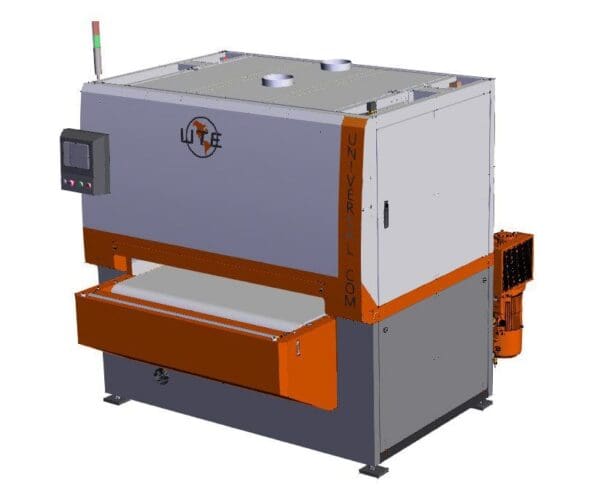
When your laser or bender is performing, the next bottleneck is usually not the machine itself, but what happens before or after: edge quality, hole creation, end prep, or secondary operations that determine whether parts move downstream or pile up.
UTE’s supplemental fabrication machines are designed to eliminate those slowdowns. From deburring and edge finishing to hole punching and end forming, these systems help you standardize part quality, reduce rework, and run faster with fewer manual touchpoints.
Supplemental fabrication machines often operate behind the scenes, but they directly influence throughput, part quality, and downstream efficiency. Below are answers to common questions about how secondary fabrication equipment fits into modern tube and metal fabrication workflows.
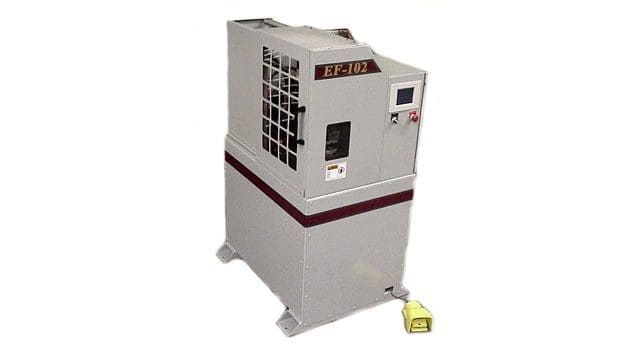
Supplemental machines are secondary systems used to support and complete primary fabrication processes such as cutting and bending. They enhance part quality, streamline finishing operations, and help manufacturers build a more efficient, end-to-end production workflow.
Secondary operations improve dimensional consistency, reduce manual rework, and prepare parts for welding, coating, or final assembly. Integrating supplemental equipment helps eliminate bottlenecks while increasing throughput and overall production reliability.
Supplemental machines automate processes that are often performed manually, reducing labor time and improving repeatability. By standardizing finishing and feature-related operations, manufacturers achieve faster cycle times and more consistent output quality.
Yes. Many supplemental systems are designed to integrate with CNC machinery, robotic handling systems, and in-line production cells. This integration allows manufacturers to create seamless, highly efficient fabrication workflows.
Remove sharp edges, improve surface consistency, and prepare parts for welding, coating, or assembly. Deburring is one of the fastest ways to cut rework and improve downstream fit-up, especially when you’re pushing throughput.
Add holes and features efficiently with repeatable accuracy, ideal for production environments where speed, consistency, and reduced operator variability matter. A strong option when you need reliable feature creation without slowing the line.
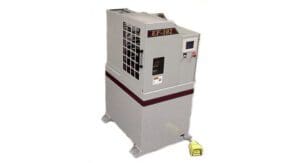
Create clean, controlled ends and formed features for assembly-ready tube and pipe parts. End forming supports better joins, improved fit, and more consistent outcomes, especially for high-mix or high-volume tube fabrication.